
A manufacturer sets up a dealer floor plan program by finding a lender whose credit box fits its product and dealers. It signs a program agreement with that lender. Then it gives dealers one place to apply. The lender underwrites every dealer and funds the line. Somebody then has to run the program every day for as long as it exists, and that's the part most manufacturers underestimate.
We see the same pattern in almost every first conversation with an OEM. The sales team wants dealers carrying more stock. Finance doesn't want dealer receivables on the balance sheet. Nobody wants to build a finance company to solve it, and nobody has to.
Three parties, four steps
Floor plan is old, and it's simple on paper. The OTS examination handbook for floor plan loans, now hosted by the OCC, puts it in one line: floor plan loans involve three parties, the supplier of goods, the dealer and the financial institution. The same handbook notes that suppliers often provide buy-back agreements to repurchase slow inventory within set time limits. That buy-back is a big part of why a lender will finance a dealer it has never met.
Once a program is live, every unit goes through the same four steps:
- The dealer places an order and draws on its floor plan line instead of paying cash or running up your terms.
- The lender pays your invoice. You're paid when the order funds, not when the unit sells.
- Units ship to the dealer's lot, tracked by serial number or VIN from the day they're floored.
- The dealer sells the unit and pays it off. Units that sit longer follow the curtailment schedule the lender set.
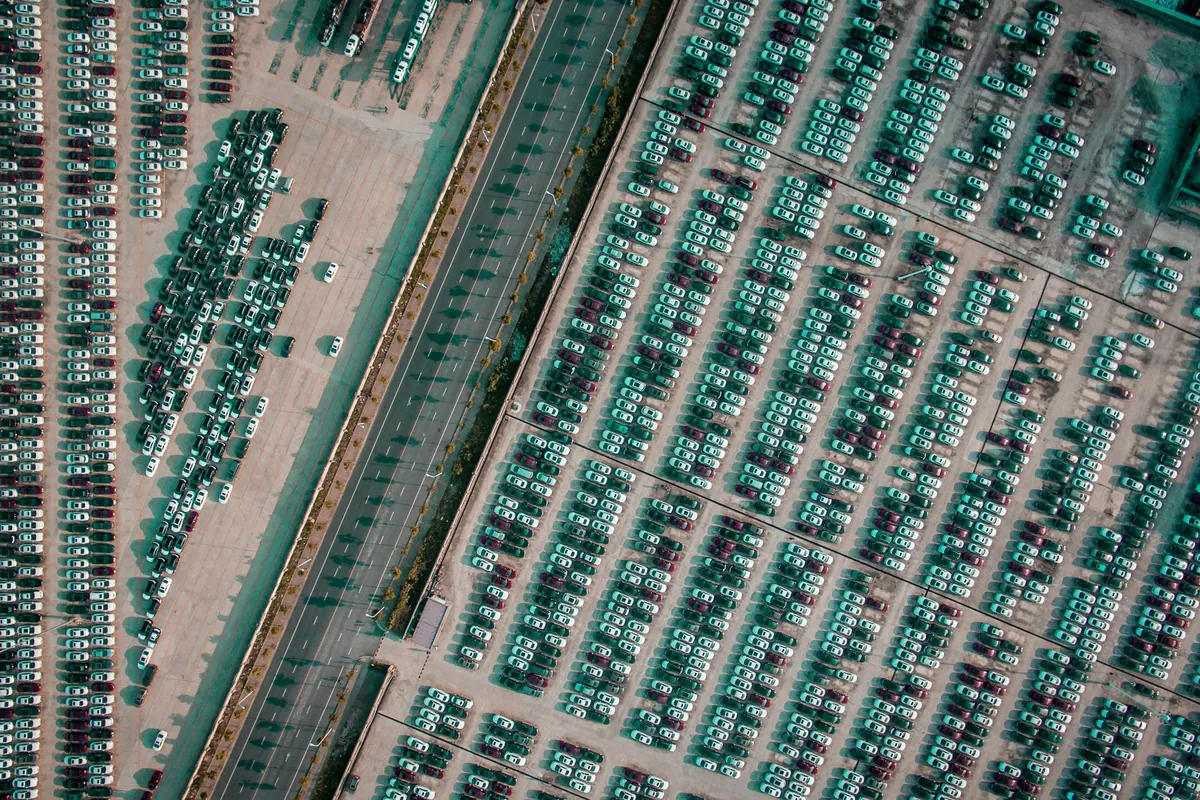
Step two is the one manufacturers feel. Your cash arrives when the lender funds the order, often the next day, instead of whenever the dealer gets around to paying an open invoice.
What a lender wants to see before the first call
Most programs stall at the first lender meeting because the manufacturer shows up with a pitch deck instead of a dealer list. Lenders don't fund a brand story. They fund dealers one credit decision at a time. They want to know whether your network looks like the kind of book they already know how to run.
Before you talk to anyone, have these ready:
- A list of your active dealers with their locations and what each one stocks today.
- Annual sales through dealers, and how much of that sells in your busiest months.
- How your dealers floor your units now: their own banks, a third-party lender, your terms, or nothing at all.
- Whether you'll stand behind the program with a repurchase agreement, and on what terms.
That last one shapes everything. A lender's credit box gets wider when the manufacturer agrees to take back unsold units. It gets narrower, fast, when you won't.
One thing a lender doesn't need from you is a finance department. They have credit people. What they want is evidence your product sells and that the financial support behind the program is real.
Lender-funded or captive
There are two ways to fund a program, and the choice is mostly about your balance sheet.
A lender funds it. The lender puts up the capital and makes every credit decision. You back the program, usually with a repurchase agreement. Nothing new lands on your balance sheet. Most mid-sized manufacturers start here.
You fund it as a captive. You set the credit box and keep the economics. You also take on the receivable and the credit risk, plus the operation that goes with them. Captives work well for manufacturers with the capital and the appetite. They work badly for manufacturers who assume the hard part is the money.
Either way, the dealer experience can look the same: one application, one portal with your name on it, one servicing team that knows the program.
The work after the signature
A live program is mostly operations once the agreement is signed. Every new dealer has to be verified and documented before it gets a line. Every funding request needs an invoice matched to units. Every unit needs its title tracked. Every curtailment has to be billed and every payoff posted. Audits have to be scheduled, then closed. And when a dealer calls because a funding request is stuck, somebody has to pick up who knows the program.
We know this because we did it ourselves. Before Vero sold software to a single lender, it ran its own floor plan program for independent auto dealers: more than 110 dealers at its peak, in 19 states, with over $40 million outstanding. VeroOS was built around how that work actually got done, down to the title that shows up three weeks late.
That history is why we sit where we do. The lender underwrites and signs every dealer and funds the line on terms it sets. We run the program day to day inside the limits the lender sets, and the lender's bank releases every payment.
How long it takes
The lender's review takes the longest, and it depends on how many dealers start at once. A manufacturer with a clean dealer list and a clear position on repurchase gets through it faster than one still deciding. Once the lender approves the program structure, we can set it up on our side in about a day.
Start with the dealers who'll stock the most this year. A lender would rather launch a group it can see than a hundred names on a spreadsheet.
Quick answers
Does the manufacturer carry the dealer credit risk? In a lender-funded program, the lender makes the credit decision on each dealer. A repurchase agreement usually commits you to buying back unsold units under set conditions. Read the specific agreement, because terms vary.
Do our dealers have to move their other brands? No. The program covers your units. Dealers keep whatever they use for the other lines they carry.
What if our current lender just capped the program? That's a different starting point, with a different first month. We wrote up what happens when a floor plan lender exits.
If you're earlier than that, the basics of wholesale finance are in our plain-English breakdown.
Vero runs dealer floor plan programs for lenders on VeroOS. If you're weighing a program for your dealers, see how OEM programs work or request a network review.




' d='M11.04 19.32Q12 21.51 12 24q0-2.49.93-4.68.96-2.19 2.58-3.81t3.81-2.55Q21.51 12 24 12q-2.49 0-4.68-.93a12.3 12.3 0 0 1-3.81-2.58 12.3 12.3 0 0 1-2.58-3.81Q12 2.49 12 0q0 2.49-.96 4.68-.93 2.19-2.55 3.81a12.3 12.3 0 0 1-3.81 2.58Q2.49 12 0 12q2.49 0 4.68.96 2.19.93 3.81 2.55t2.55 3.81'/%3E%3C/svg%3E)

