
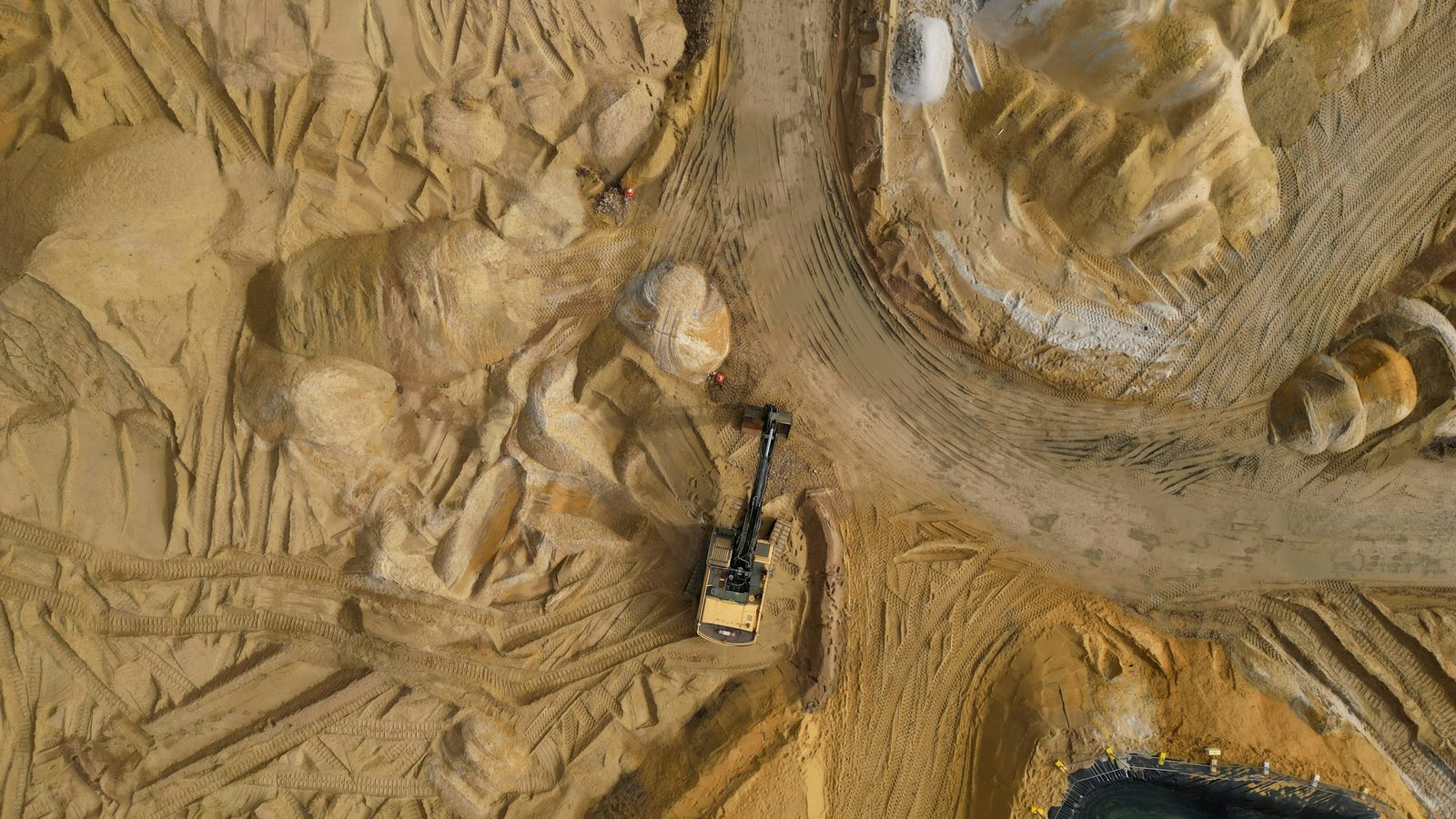
A construction equipment dealer's floor plan line is usually tightest in February and March, weeks before the digging season starts, because spring orders land before spring sales do. Most programs are sized on the dealer's average balance. That's the wrong number. The line has to clear the peak, and the peak arrives early.
If it can't clear the peak, the sensible dealer orders less. The manufacturer sees it as a soft spring. Really, it's a line problem.
The line needs room before the season, not during it
Compact track loaders, mini excavators, scissor lifts and walk-behind saws all sell on roughly the same curve. Dealers stock up in late winter so units are on the lot when contractors start bidding work. Sales follow from April through June. By late summer the line is paying down, and by November it's at its quietest.
A line sized to the yearly average is short by exactly the amount of the spring build. The dealer hits the limit in February, and every order after that waits for a unit to sell. In a good year, that's the moment a competitor's dealer down the road has stock and yours doesn't.
Two fixes work. The first is a line sized to the dealer's seasonal peak, with curtailment terms that don't punish units ordered in January for a May sale. The second, for dealers who already floor with a bank and are full by spring, is a second line beside the first. More on that below.
Demo and rental units need their own schedule
Construction dealers carry machines that work before they sell. A demo unit goes out to three job sites. A rental unit spends a season earning by the day before it moves to the sales lot. Both lose value faster than a unit sitting under a tarp, and lenders know it.
So lenders treat them differently from new stock, usually with their own curtailment schedule. The details belong to the lender, and they vary more than most manufacturers expect.
The practical point is to ask early. If half your dealers run rental fleets, a lender whose policy doesn't cover rental units isn't the right lender, however good its rate sheet looks. We'd rather know that before the first call than after the third.
Attachments ride with the machine
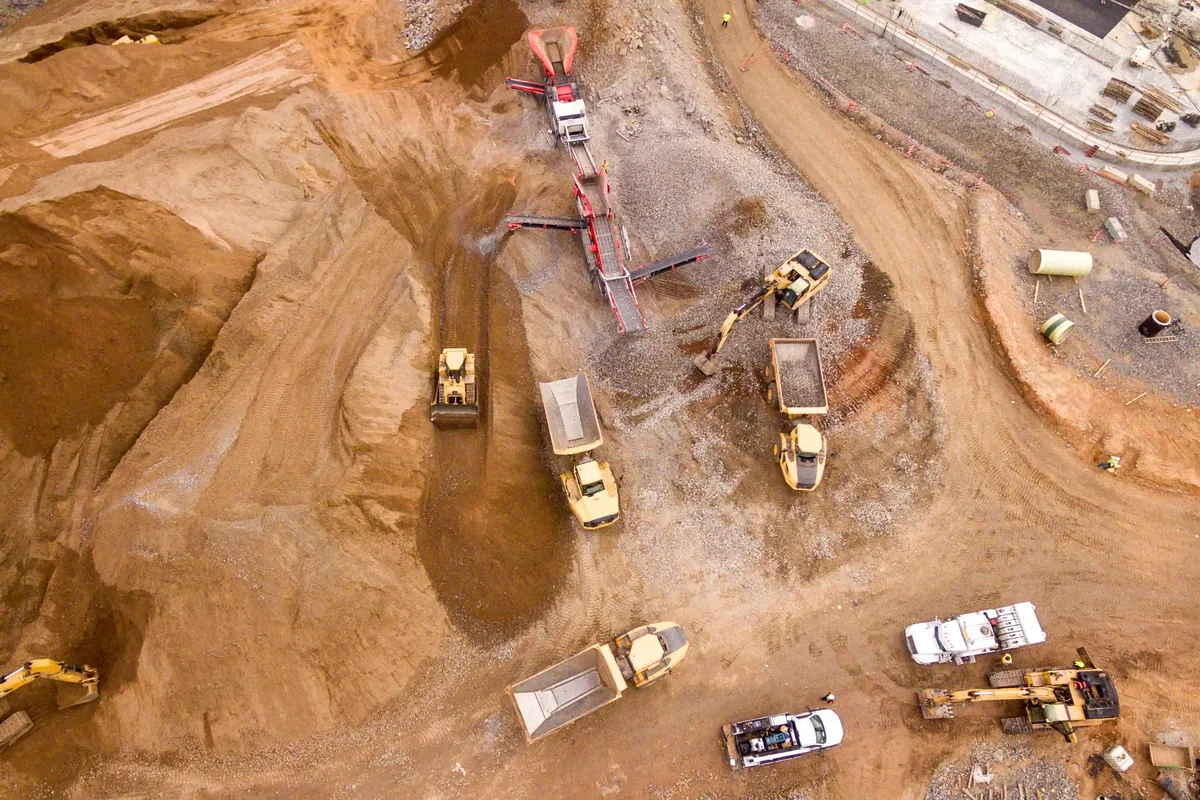
Almost every compact machine leaves the lot with something on the front of it: a bucket, a breaker, pallet forks, a grapple. Dealers want those units on the same line as the machine, because that's how they sell.
Whether they can depends on the lender. It usually comes down to the attachment's value and whether it carries a serial number. A hydraulic breaker with its own serial plate is an easier case than a box of bucket teeth. Lenders that floor parts and attachments do it under their own rules, and a program can include them as a separate category with its own terms.
When the bank line is full by April
Plenty of construction dealers already floor with a large bank and like the relationship. They don't want to move. They just need more room in the busy months than the bank will give them.
A second line handles that. One of our lenders adds a line beside the bank's, and the dealer moves units onto it as the bank line fills. The bank keeps its line and its relationship. The dealer keeps ordering. We wrote more about how that works for seasonal powersports and RV dealers. The mechanics are the same for a compact equipment dealer in March.
What to bring to a lender
Lenders that fund construction equipment ask the same handful of questions. Have the answers in a spreadsheet before the first call:
- How many active dealers you have, and where.
- What a typical dealer carries in units and dollars at the low point of the year and at the peak.
- Which product categories you need floored, such as compact construction or aerial equipment, concrete tools or machine control.
- How many dealers run demo or rental fleets, and roughly how big.
- Whether you'll back the program with a repurchase agreement.
The seasonal curve matters most. A chart of units floored by month, even an estimate, tells a lender more about your network than a page of narrative.
Who does what
Your team shares the dealer list and the product lines to cover. You agree the program terms with the lender and put the program page in front of dealers. The lender underwrites and signs every dealer and funds the line on terms it sets. Vero brings a lender that funds construction equipment. We onboard your dealers and service every line on VeroOS, from the first funding request to the last payoff.
Pay as sold and schedule pay are the common structures. A program can also cover parts and attachments or rental fleet and used units, each with its own terms.
Quick answers
Is there a minimum program size? Lenders set their own minimums. Give us your dealer count and a typical dealer's inventory, and we'll tell you what's realistic before anyone spends time on it.
Can a dealer keep its current bank line? Yes. A second line can sit beside it.
Vero runs floor plan programs for lenders that fund construction and compact equipment. See how a construction program works, or bring us your dealer list for a network review.



' d='M11.04 19.32Q12 21.51 12 24q0-2.49.93-4.68.96-2.19 2.58-3.81t3.81-2.55Q21.51 12 24 12q-2.49 0-4.68-.93a12.3 12.3 0 0 1-3.81-2.58 12.3 12.3 0 0 1-2.58-3.81Q12 2.49 12 0q0 2.49-.96 4.68-.93 2.19-2.55 3.81a12.3 12.3 0 0 1-3.81 2.58Q2.49 12 0 12q2.49 0 4.68.96 2.19.93 3.81 2.55t2.55 3.81'/%3E%3C/svg%3E)

